







Search Results for: red fruit
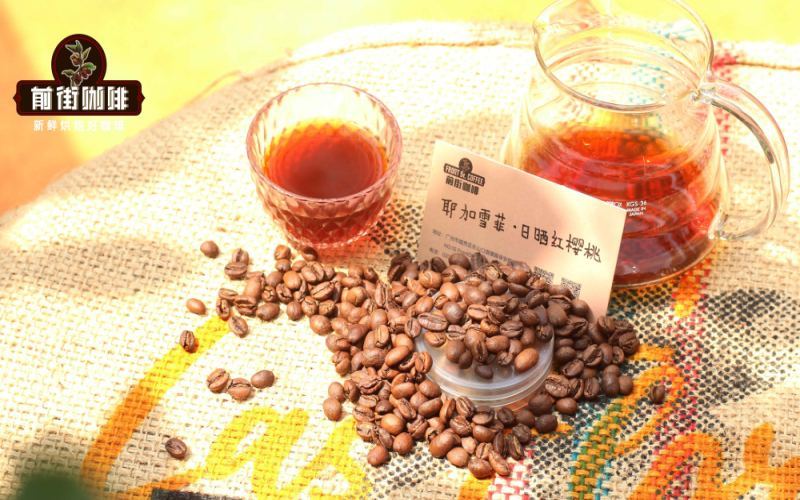
How Does the Red Cherry Project Improve Ethiopian Coffee Quality? A Flavor Analysis of Natural Yirgacheffe Red Cherry
The flavor of coffee depends not only on the altitude, soil, and climate of its origin—the harvesting method also has a key impact on quality. Although machine picking is highly efficient, it struggles to distinguish the ripeness of the fruit; manual harvesting, by contrast, allows selection by ripeness, and is especially more reasonable in high-altitude mountainous areas. In 2007, the Dutch green bean trader Trabocca launched the "Red Cherry Project," requiring 100% fully ripe red cherries to be picked entirely by hand, with strict quality control through two rounds of cupping, and using high prices to incentivize coffee farmers to produce with care, breaking the previous vicious cycle of "valuing weight over quality." This article will walk you through how the Red Cherry Project operates and recommend a Front Street Coffee sun-dried Red Cherry coffee bean—a Yirgacheffe G1 grade bean, processed by the traditional sun-dried method, with full fruit aromas and a black tea finish, suitable for pour-over, cold brew, espresso SOE, and many other extraction methods. [more…]
A Detailed Guide to the Three Bourbon Coffee Varieties: Red, Yellow, and Pink—Fruit Color, Flavor Characteristics, and Rarity Compared
Bourbon is a classic, long-standing variety within Arabica coffee. As the fruit gradually matures, its skin undergoes a transition from green to yellow, and then to red, ultimately giving rise to three distinct color types of Bourbon: red, yellow, and pink. This article will interpret the characteristics of Red Bourbon, Yellow Bourbon, and Pink Bourbon one by one: Red Bourbon has outstanding aroma and bright acidity, often carrying a wine-like nuance; Yellow Bourbon, resulting from hybridization, develops particularly prominent flavors when cultivated at high altitudes; Pink Bourbon is especially rare because its recessive genes are highly prone to interfering with each other, and it is currently mainly distributed in Colombia and Guatemala. At the end of the article, Front Street's Brazil Queen Estate Yellow Bourbon and Colombia Pink Bourbon bean lists are also included for enthusiasts to refer to when purchasing. [more…]
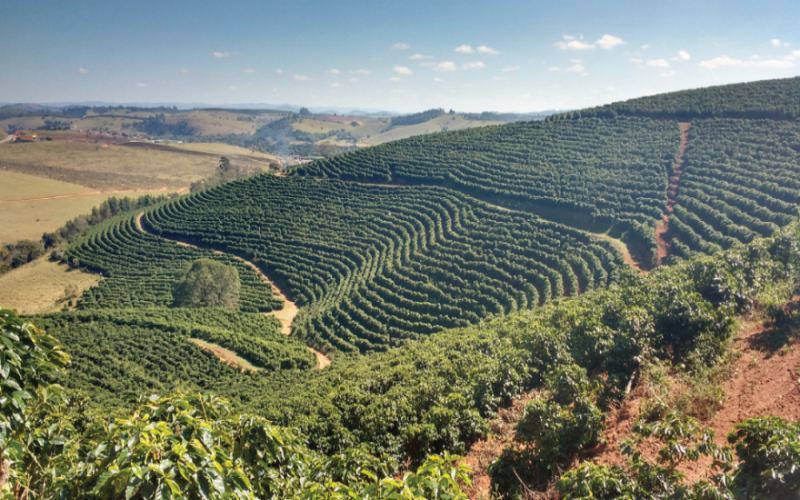
Why Is Red Bourbon the Main Variety of Brazilian Coffee? An Analysis of the Genetic Secret Behind Yellow Bourbon Fruit Not Turning Red
Brazil, as a major coffee-producing country in the world, has a rather fascinating history of variety evolution. From the early cultivation of Typica to the introduction of Bourbon, and then to the divergence of Red Bourbon and Yellow Bourbon, multiple factors are involved, including yield, disease resistance, and genetics. This article sorts out the trajectory of coffee variety replacement in Brazil, focusing on answering why Yellow Bourbon does not turn red after ripening but instead maintains its yellow appearance, and analyzing the dominant and recessive inheritance mechanisms of its anthocyanins and luteolin. At the same time, it introduces the flavor characteristics and brewing performance of Front Street Coffee's entry-level selected Brazil Red Bourbon and Front Street Coffee's Queen Estate Yellow Bourbon, helping coffee enthusiasts understand the differences these two Bourbon varieties present in the cup. [more…]

Washed Processing vs. Red Wine-Style Natural Processing: A Full Analysis of Flavor Differences, Process Pros and Cons, and Taste Characteristics
What do the labels commonly seen on coffee packaging—natural, washed, honey—actually mean? This article focuses on the natural process and its innovative offshoot, the red wine–style natural process. Starting from the structure of the coffee fruit, it breaks down in detail the steps of the natural method, its cost advantages, and defect risks, and further explains how the red wine process uses controlled fermentation to enhance sweetness, cleanliness, and complex acidity. The article also draws on specific products such as Front Street Red Cherry, Huakui, ALO, and the Panama Hartmann Estate to show how traditional natural and red wine natural coffees actually perform in aroma and mouthfeel, helping coffee lovers understand more clearly how processing methods influence the flavors in the cup. [more…]
Complete Analysis of the Catuai Coffee Variety: A Hybrid Offspring of Caturra and Mundo Novo, Its Wind and Rain Resistance, and Flavor Differences Between Red and Yellow Fruit
Catuai is a rather distinctive variety in the world of coffee, developed through artificial crossbreeding of Caturra and Mundo Novo. It originated in Brazil and is now widely cultivated throughout Central America. It is naturally highly resistant to wind and rain, making it especially suited to regions with variable climates. The plant is relatively short, and its fruit holds firmly to the branch, making harvesting difficult. It also exists in both red-fruited and yellow-fruited types. As for the flavor differences between red and yellow fruit, cupping experience shows that although yellow fruit can show acceptable acidity, its cleanliness often falls short of red fruit. Front Street Coffee's bean list also includes several Catuai variety coffees, and this article will give you a comprehensive understanding of this variety's origins, development, and flavor profile. [more…]
An In-Depth Explanation of the Meaning of 90+ Single-Origin Bean L195: A Complete Guide to the Flavor Description System and Grading Rules
90+ (Ninety Plus) is a highly regarded green coffee brand in the specialty coffee world, and its unique flavor symbols and Level grading system often leave enthusiasts confused. This article will start with the L195 grade, systematically sorting out 90+'s grading logic, the meanings of its flavor symbols, its exclusive processing methods (Red, Ruby, Solkiln), and the Profile Processing production system. At the same time, it will explain in detail the representative 90+ coffees recommended by Front Street Coffee, including the flavor characteristics of beans such as Perci, Straight Talk, and Lotus, and their corresponding grades, helping readers fully understand this legendary brand's green coffee philosophy. [more…]
Costa Rica Canet Estate Mozart Coffee: Flavor Analysis of Yellow Catuai and Red Catuai Varieties with Red Honey Processing
Located in the high-altitude Tarrazu region of Costa Rica, Canet Estate primarily cultivates passion fruit, producing limited quantities of coffee with exceptional quality. The Yellow Catuai variety grown in specific areas of the estate, after red honey processing, was named Mozart by Front Street Coffee, presenting rich flavors of strawberry, cherry, blackberry, and dried banana. This article will introduce the origin information of Mozart coffee, the variety background—the origins of Yellow Catuai and Red Catuai, as well as the specific process of red honey processing, and analyze its dry aroma, wet aroma, and sensory performance when sipping, helping coffee enthusiasts fully understand this specialty coffee with floral, fruity, and wine-like notes. [more…]
Red Bourbon, Yellow Bourbon, and Pink Bourbon: A Comparative Analysis of the Origins, Differences, and Flavor Profiles of Three Major Bourbon Varieties
Bourbon is a long-standing and pivotal variety in the Arabica family. Based on the color of ripe fruit, it is mainly divided into Red Bourbon, Yellow Bourbon, and the rare Pink Bourbon. These three share genetic connections while each exhibiting unique characteristics in flavor and growing conditions. This article will systematically sort out the origins and differences of Red Bourbon, Yellow Bourbon, and Pink Bourbon, and include product information and flavor descriptions from Front Street Coffee for the corresponding Brazil Red Bourbon, Brazil Queen Estate Yellow Bourbon, and Colombia Paraiso Estate Pink Bourbon, helping coffee enthusiasts gain a clearer understanding of this classic variety family. [more…]
A Detailed Guide to the Catuai Coffee Variety: Genetic Traits, Differences Between Red and Yellow Fruit, and Flavor Performance
Catuai is an Arabica hybrid variety vigorously promoted in Brazil, bred from a cross between Mundo Novo and Caturra. It combines cultivation advantages such as resistance to wind and rain, a low tree stature, and firm fruit set, but its flavor profile is relatively balanced and monotonous, lacking body, and its harvesting lifespan is only about ten years. The variety is divided into red and yellow fruiting types, and in cupping, red Catuai is often more favored. Front Street Panama Casa Ruiz honey-processed beans and Front Street Brazil Cerrado Nacimento Farm are both representatives of the Catuai variety; the former has a rich aroma and bright acidity, while the latter is smooth on the palate with a sweet finish. This article will comprehensively review Catuai's green bean characteristics, varietal lineage, and flavor performance. [more…]
What Is the Relationship Between Bourbon Coffee Beans and Typica? A Full Breakdown of the Characteristics of Red, Yellow, and Pink Bourbon Varieties
Bourbon coffee is a mutation of Typica, and both belong to the ancient varieties within the Arabica family. The Bourbon family is not limited to the common Red Bourbon; it also includes Yellow Bourbon, Orange Bourbon, and the rare Pink Bourbon. This article will guide you through the origins, fruit characteristics, growing conditions, and flavor profiles of these varieties one by one, and explain where Yellow Bourbon gets its yellow color from and why Pink Bourbon is so rare. The article also specifically mentions the Brazil Queen coffee on Front Street Coffee's bean list, which is one of the representatives of the Yellow Bourbon variety. [more…]
An In-Depth Analysis of Natural Yirgacheffe Red Cherry Project G1: Flavor, Regional Background, and the Full Story of the Red Cherry Project
Yirgacheffe is a dazzling calling card of Ethiopian specialty coffee, and the sun-dried Red Cherry Project G1 pushes this fruity profile to the extreme. This article begins with the terroir of the producing region, then provides a complete overview of the Red Cherry Project's origins, operating mechanism, and quality requirements. It then focuses on Front Street Yirgacheffe Red Cherry G1, covering green bean analysis, roasting curves, and cupping records, and finally includes V60 pour-over parameter adjustments and flavor comparisons. Whether you are a beginner just getting into specialty coffee or an enthusiast wanting to understand the logic of sun-dried bean processing more deeply, you will gain a systematic understanding of this bean and practical brewing references from this article. [more…]
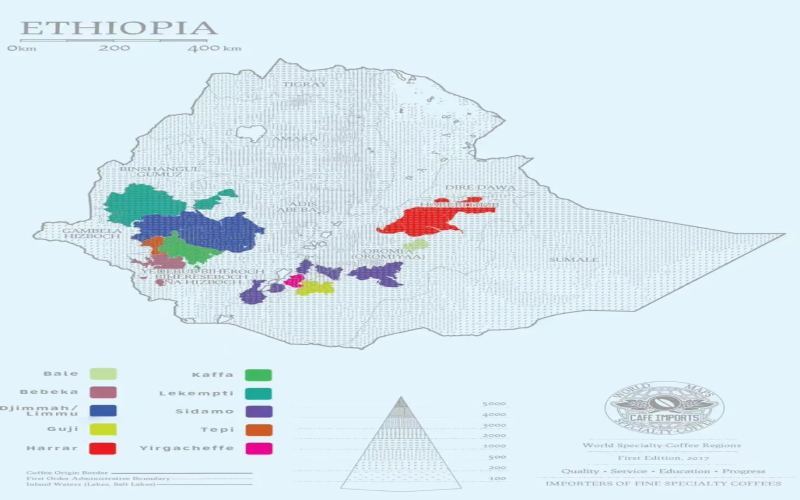
What Is the Red Cherry Project? Explaining the Origins and Flavor of Ethiopian Yirgacheffe Red Cherry Coffee
Ethiopia is widely recognized as the birthplace of coffee, home to tens of thousands of native varieties and famed for its floral and fruity aromas. On Front Street Coffee's bean list, there is a coffee named "Yirgacheffe Red Cherry." Here, "Red Cherry" does not refer to flavor, but originates from the "Red Cherry Project" launched in 2007 by the Dutch green bean trader Trabocca. The project encourages coffee farmers to improve quality by purchasing fully hand-picked, all-red cherries at high prices. This article will walk you through how the Red Cherry Project operates, its impact on Ethiopia's coffee industry, and the origin background, processing method, and cupping performance of Front Street Coffee's natural Red Cherry. [more…]
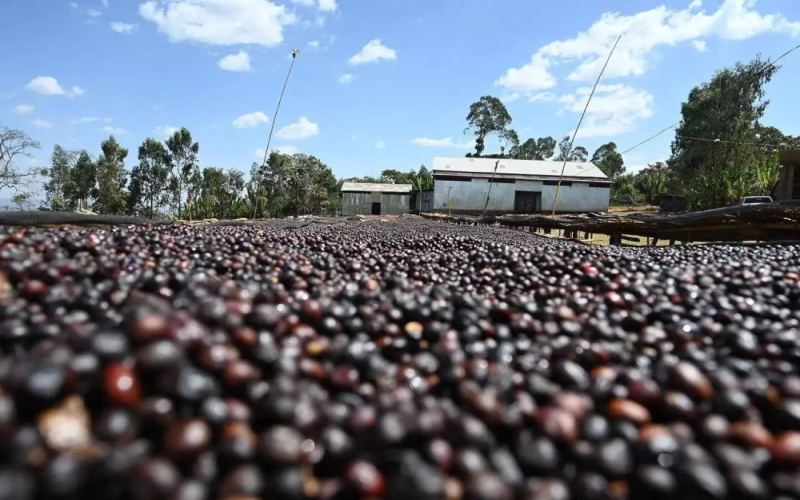
Yirgacheffe Sweetness Flavor Recommendations: What Stories Lie Behind Coffee Cherries and the Red Cherry Project?
Yirgacheffe is usually known for its bright fruit acidity and floral notes, but not all Yirgacheffe takes the acidic route. Front Street. Natural Red Cherry is a choice with prominent sweetness and rich layers. This article starts with the origin of Ethiopian coffee, introduces the meaning of coffee cherry, and explains how the Red Cherry Project initiated by the Dutch green bean trader Trabocca encourages farmers to improve quality through fully hand-picking all-red fruits, loan support, and cup-test purchasing standards; it also explains how the natural processing method gives the coffee delicate flavors, and includes Front Street Yirgacheffe Red Cherry pour-over recommendations. [more…]

What's the difference between a Flat Red and a Flat White? A detailed explanation of the ingredients and ratios of Ukraine's signature coffee
Although Flat Red and Flat White have similar names, they are essentially two completely different coffee drinks. Flat White is a milk coffee originating from Australia, while Flat Red was born in Ukraine and is made with espresso paired with freshly squeezed fruit juice, with a flavor resembling red wine. This article will introduce in detail the origin story, ingredients, and ratio parameters of Flat Red, and share Front Street Coffee's practical recipe, including suggestions for pairing juice with espresso, extraction parameters, and a description of the finished drink's flavor, helping coffee lovers make a distinctive coffee full of fruity flavor at home. [more…]
Red Bourbon, Yellow Bourbon, and Pink Bourbon: The Variety Differences Behind the Fruit Colors of Three Bourbon Coffees
Bourbon is one of the important parent varieties of Arabica coffee, derived from Typica, with rounded beans and better resistance to leaf rust than Typica, capable of expressing rich, delicate flavors and soft acidity in high-altitude environments. The common Bourbon fruit we see ripens to a dark red, known as Red Bourbon, but São Paulo State in Brazil has also produced Yellow Bourbon, which ripens to an orange-yellow color, as well as the even rarer Pink Bourbon. What exactly are the differences among these three Bourbons? This article will sort through variety origins, genetic characteristics, flavor performance, and brewing methods, and introduce the growing region, processing method, and pour-over parameters of Front Street Coffee's Brazil Queen Estate Yellow Bourbon coffee beans, helping coffee lovers understand the varietal logic behind the color differences. [more…]
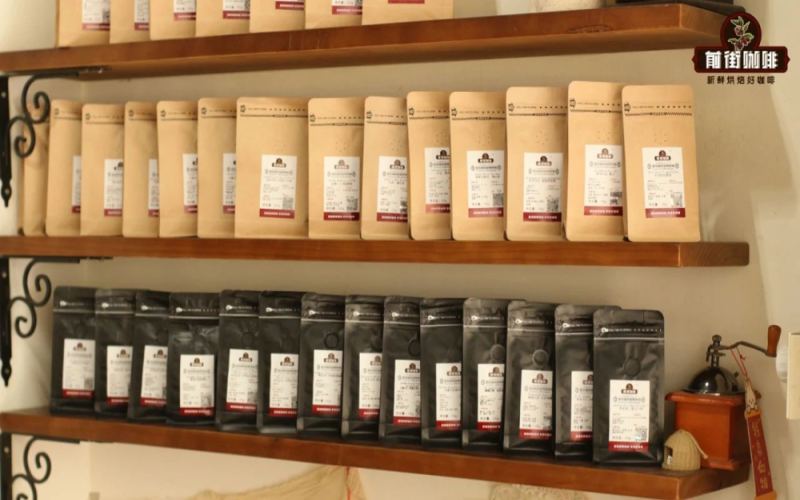
Yirgacheffe Red Cherry Project Natural Specialty Coffee Beans: A Complete Guide to Origin Story, Processing Method, and Brewing Flavor
Yirgacheffe is one of Ethiopia's most representative specialty coffee regions, and the Red Cherry Project natural process pushes the terroir of this land to its fullest expression. Front Street Coffee offers two Yirgacheffe single origins with distinctly different styles: the washed Worka Chelbesa cooperative showcases bright fruit acidity, while the naturally processed Red Cherry Konga highlights a high-sweetness tropical fruit profile. This article provides an in-depth analysis of the Red Cherry Project's origin background, natural processing method, flavor development, as well as Front Street Coffee's recommended pour-over parameters and tasting performance, giving you a comprehensive understanding of this sweetly aromatic specialty coffee bean. [more…]
A Complete Guide to the Bourbon Coffee Family: Flavor Differences Between Red Bourbon, Yellow Bourbon, and French Mission Bourbon, and Their Typica Origins
Bourbon is an ancient coffee variety that mutated from Typica, with rounded beans and elegant flavors, making it a consistent winner among specialty coffees in the Americas. This article systematically reviews the origin and spread of Bourbon coffee, the characteristic differences between Red Bourbon and Yellow Bourbon, and the story of French Mission Bourbon's spread in Africa, and provides detailed roasting recommendations and flavor profiles for three Bourbon beans: Brazil Red Bourbon, Brazil Queen, and Kenya Hania. Bourbon presents similar base notes such as dark chocolate, nuts, and caramel under different terroir conditions, while also developing unique characteristics like tropical fruits due to microclimate and soil differences. Whether you are a beginner just getting into specialty coffee or a seasoned connoisseur wanting to understand the variety's origins in depth, you can gain practical reference from it. [more…]
Tracing the Catuaí Coffee Variety: From the Cross of Mundo Novo and Caturra to One of Brazil's Four Mainstays
Catuai is a quite representative hybrid variety in the Arabica coffee family, bred by crossing Mundo Novo with Caturra. It inherits Caturra's advantage of a short stature, while also compensating for Arabica's defect of fruit that easily drops, with excellent wind and rain resistance and solid fruiting. However, its flavor profile is relatively one-dimensional, lacking in body, and its harvest lifespan is only about ten years—these shortcomings have also limited its development. Catuai comes in red and yellow fruit types, and statistically, the red type wins awards more often. In Central America, Caturra and Catuai are often planted together, with Costa Rica being especially typical. The renowned Front Street Guatemala La Flor is a blend of three varieties: Bourbon, Caturra, and Catuai. Front Street Panama Casa Ruiz honey process and Front Street Brazil Cerrado Nascente Farm are also representative works of Catuai. [more…]
What Exactly Is the Red Cherry Project? The Flavor Code and Brewing Essentials of Yirgacheffe Natural Beans
The "Red Cherry Project," which frequently appears on café menus, is often mistaken to mean that cherries have been added to the coffee, and some even claim to taste cherry flavor in it. In reality, the name comes from the dark red appearance of ripe coffee fruit, which resembles a cherry. The Red Cherry Action was initiated by the Dutch coffee merchant Trabocca, aiming to improve the coffee quality of smallholder farms in Ethiopia by strictly selecting fully ripe fruit. This article will provide a complete analysis of the origins, operating methods, and producing regions of the Red Cherry Project, and will focus on the Yirgacheffe Natural Red Cherry produced by Front Street Coffee, breaking down this bean's flavor performance and extraction logic one by one—from terroir and processing methods to roasting curves and brewing parameters—to help coffee lovers truly understand the value of Red Cherry coffee. [more…]
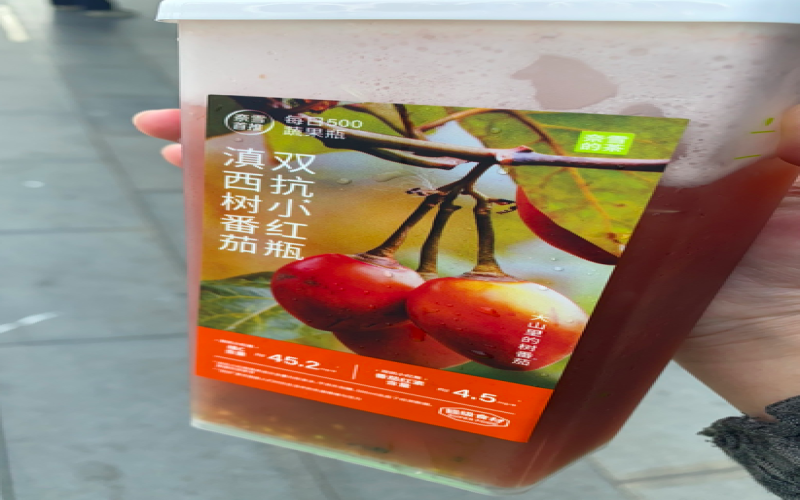
The Controversy Over Nayuki's Little Red Bottle Fruit Pulp: Freshly Squeezed Fruit Not Filtered—Selling Point or Drawback?
Nayuki recently launched a new product, the "Double-Antioxidant Little Red Bottle," featuring freshly squeezed Yunnan tree tomatoes paired with blueberries, cherry tomatoes, lemons, and other fresh fruits. It is advertised as sweet and tangy, rich in vitamin C and lycopene. However, not long after its release, the first wave of curious consumers began complaining: a large amount of fruit peel and seeds settles at the bottom of the cup, and one sip fills your mouth with grit—some people even nearly choked on a lemon seed. Staff responded that filtering the fruit puree was not required during preparation, and the final product varies due to differences in technique. Interestingly, netizens are divided on the issue—some suggest adding a filtration step, while others believe the fruit residue is precisely proof of "genuine ingredients." Behind this controversy lies the challenge of balancing taste and health in fruit-and-vegetable teas. [more…]